
NFL
Tommy John, the Enduring Left-Hander Who Changed Baseball Forever, Dies at 83


Tommy John, the durable left-handed pitcher whose remarkable 26-year Major League Baseball career produced 288 victories and whose name became synonymous with one of the most important procedures in sports medicine, has died at 83.
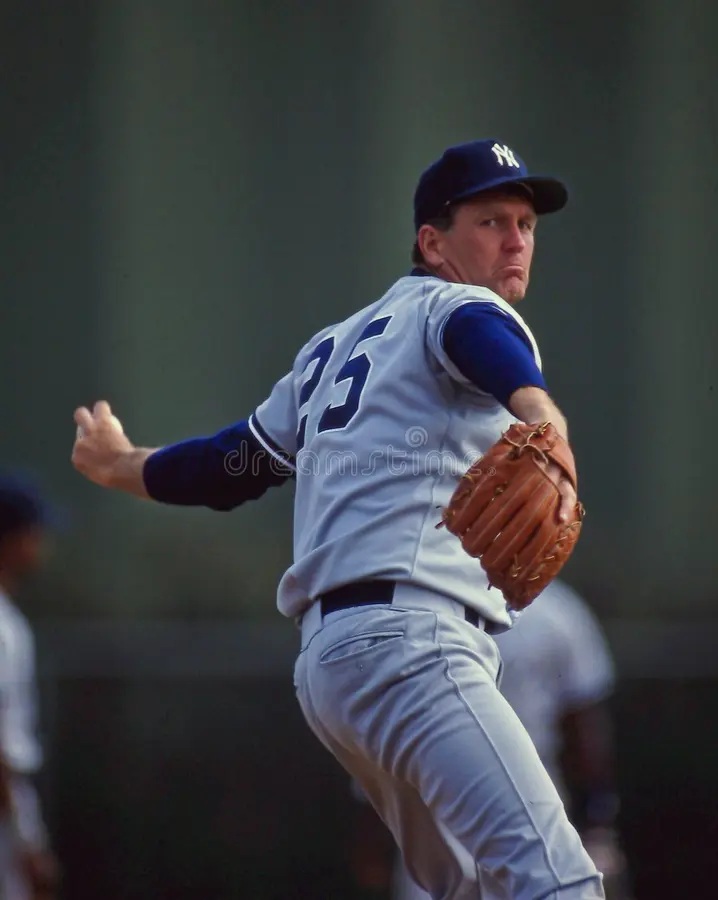
John died Saturday night at his home in Lakewood Ranch, Florida, after spending his final days in hospice care. His agent, Mike Maguire, confirmed his death. Reports said John had been dealing with serious health problems, including bladder cancer. For generations of baseball fans, Tommy John was much more than a pitcher. He became a symbol of perseverance after suffering what was once considered a career-ending elbow injury and returning to pitch for another 14 seasons.
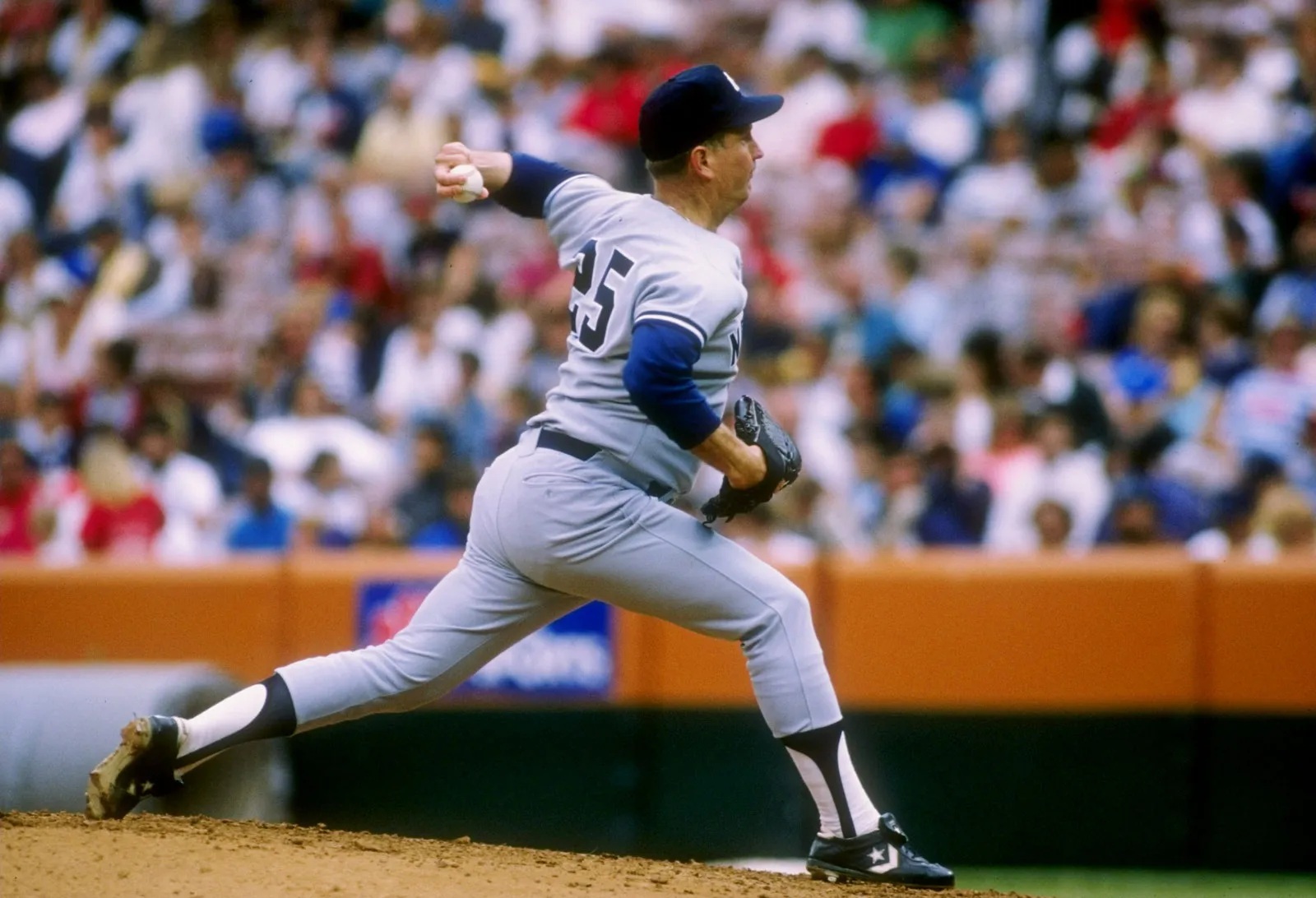
His story remains one of baseball’s most extraordinary examples of resilience.
A Remarkable 26-Year Career
John made his major-league debut with Cleveland in 1963 and went on to pitch for the Chicago White Sox, Los Angeles Dodgers, New York Yankees, California Angels and Oakland Athletics. His career stretched from 1963 through 1989, an astonishing 26 seasons. He finished with a 288-231 record, a 3.34 earned-run average and 2,245 strikeouts. He was selected to four All-Star Games and became one of the most reliable starting pitchers of his generation.
Yet statistics alone do not fully explain John’s importance.
His greatest contribution came after his career appeared to be over.
The Injury That Changed Sports Medicine
In 1974, while pitching for the Los Angeles Dodgers, John suffered a devastating tear of the ulnar collateral ligament in his left elbow. At the time, such an injury was widely regarded as a potential career-ending catastrophe for a pitcher.
Dodgers team physician Dr. Frank Jobe proposed an experimental operation. On September 25, 1974, Jobe reconstructed John’s damaged ligament using a tendon taken from John’s forearm. The procedure was extraordinarily risky. There was no guarantee John would ever pitch competitively again.
But John agreed to take the chance.
The decision changed baseball history.
After a lengthy rehabilitation, John returned to the mound in 1976. Instead of simply making a brief comeback, he went on to pitch for another 14 seasons and won 164 games after the operation—40 more victories than he had recorded before it. The surgery eventually became known throughout baseball as Tommy John surgery.
A Name That Became Bigger Than Baseball
Today, ulnar collateral ligament reconstruction is one of the best-known procedures in sports medicine, particularly among baseball pitchers. What had once looked like the end of an athlete’s career became an injury from which many players could potentially recover.
That transformation began with John and Jobe. John was the first major-league pitcher to successfully return to professional baseball following the groundbreaking elbow reconstruction. His comeback demonstrated that a pitcher could not only survive the procedure but continue competing at the highest level.
Thousands of athletes have since undergone variations of the operation.
That is why John’s legacy extends far beyond his 288 victories. His name is attached to a medical procedure that has helped generations of athletes return to competition.
The Yankees Years and a Career That Refused to End
John’s longevity was particularly remarkable during his years with the New York Yankees. He joined the Yankees in 1979 and became an important part of their pitching staff. Even deep into his career, he remained capable of producing at a high level. His final major-league season came in 1989, when he was 46 years old.
By then, he had accumulated an extraordinary body of work while pitching through an era in which pitchers were expected to carry enormous workloads. John’s career ended just 12 victories short of the famous 300-win milestone.
That fact has remained part of the debate surrounding his Baseball Hall of Fame candidacy. Despite his 288 wins, four All-Star selections, long career and revolutionary comeback, John was never elected to Cooperstown.
Supporters have long argued that his overall body of work—and especially the historical significance of his comeback—deserves greater recognition.
More Than the Surgery
There is a danger that the phrase “Tommy John surgery” can overshadow the baseball player himself. John was an accomplished pitcher before his elbow injury.
He developed into a dependable starter with the White Sox and later enjoyed some of his best seasons with the Dodgers. In 1974, before his injury, he was 13-3 with a 2.59 ERA for Los Angeles and led the National League with an .813 winning percentage.
His career also included World Series appearances and years of high-level pitching with some of baseball’s most recognizable franchises.
But perhaps the most remarkable statistic is the simplest: John won more games after his revolutionary surgery than before it.
That is what transformed his comeback from an interesting medical experiment into one of the defining stories in sports history.
A Farewell Before His Death
In the days before his death, John had already begun saying goodbye to the baseball community.
After missing the Yankees’ Old-Timers’ Day festivities, John shared an emotional farewell message with fans. The Yankees later remembered him as a “bedrock” of their pitching rotation and a longtime favorite of the team’s supporters.
His farewell made his death especially poignant for fans who had followed his extraordinary journey. John had spent decades demonstrating the very quality that defined his career: endurance.
Tributes to a Baseball Pioneer
News of John’s death prompted an outpouring of tributes from people across the sports world. Among those remembering him was longtime sports personality Dick Vitale, who had connections to the Florida sports community where John spent his later years. John’s death resonated beyond baseball because his influence reached into sports medicine and the broader culture of athletic perseverance.
The tributes reflect the unusual nature of John’s legacy. Some athletes are remembered for championships. Others are remembered for records, awards or unforgettable performances. Tommy John will be remembered for all of those things—but also for what happened when his career appeared to be finished.
A Legacy That Will Live on
Tommy John’s death closes the chapter on one of baseball’s most remarkable lives. He won 288 major-league games. He pitched for 26 seasons. He made four All-Star teams. He battled back from an injury that once appeared to signal the end of his career.
And he changed sports medicine forever. Every time a pitcher undergoes UCL reconstruction and returns to the mound, a small part of Tommy John’s story is being repeated.
His name became attached to a procedure, but his legacy is much larger than the surgery. It is the story of an athlete who refused to accept that an injury had written the final line of his career.
Tommy John did not reach 300 victories.
But in another sense, his impact went far beyond 300 wins.
He helped change what athletes—and the world of sports—believed was possible after a devastating injury.
And that may ultimately be the most enduring victory of all.

Rams Rookie Quarterback Ty Simpson Captures Attention in Formal Interview Clip Shared as “Mr. Ty Simpson”

The True Causes of Dolly Parton’s Death Unveiled

Yayoi Kusama, the Artist Who Turned Hallucinations Into Infinity, Dies at 97

Shedeur Sanders’ Shocking Pro Bowl Selection and the End of an NFL Tradition

Mikey Moore Steals the Show as Tottenham Cruise Past Charlton

Jaguars Acquire Massive Offensive Lineman Daniel Faalele From Giants in Surprise 2027 Draft-Pick Trade

Newt Gingrich Demands Personal Apology From Jon Ossoff Over Natalie Harp Remarks, Accusing Democrat of Sexist Smear

Hayden Panettiere Remembered: ‘Heroes’ Star’s Disney Connection Takes on New Meaning After Her Sudden Death

Tommy John, the Enduring Left-Hander Who Changed Baseball Forever, Dies at 83

Can Michael Morales Survive Past Round One? UFC Fans Question His Takedown Defense Compared With Ian Garry’s Grit Against Islam Makhachev and Shavkat Rakhmonov

Giants Quarterback Jaxson Dart Forced Into Medical Tent After Brutal Hit, Sparking Fresh Concussion Fears
