
NEWS
Can Michael Morales Survive Past Round One? UFC Fans Question His Takedown Defense Compared With Ian Garry’s Grit Against Islam Makhachev and Shavkat Rakhmonov

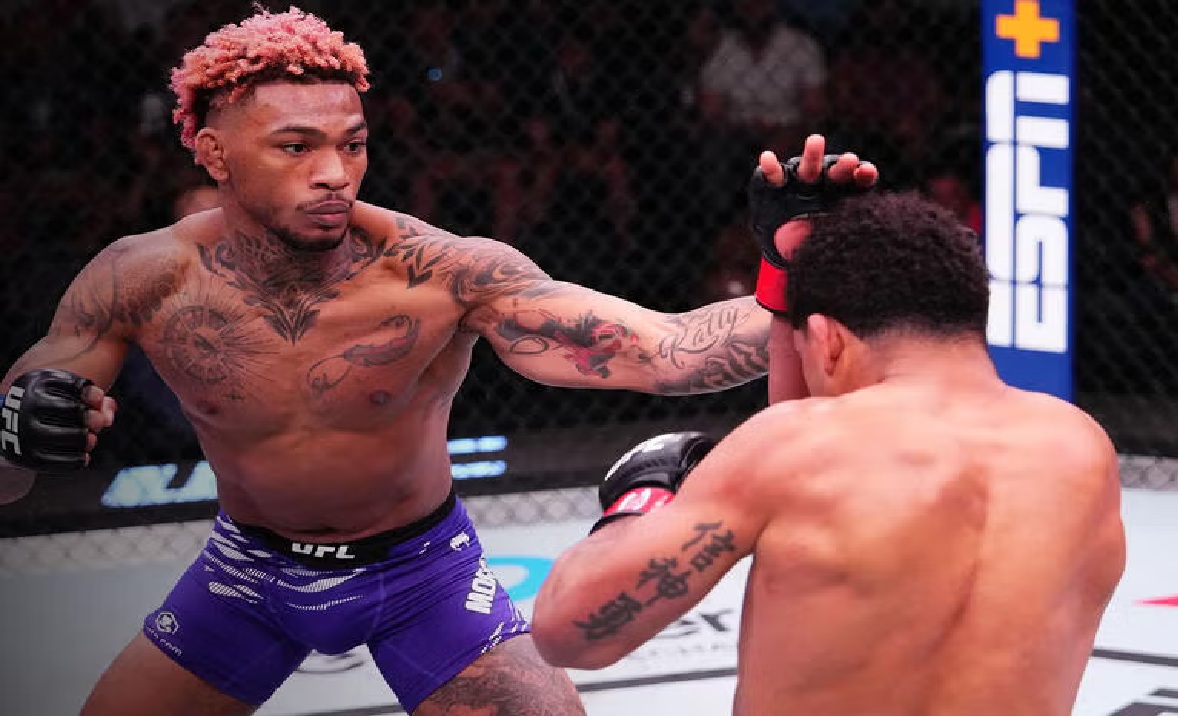
Michael Morales has built a reputation as one of the most dangerous young welterweights in the UFC. The Ecuadorian remains unbeaten at 19-0 and has established himself as a devastating finisher, with 14 of his victories coming by knockout or technical knockout. His most recent statement came against Sean Brady at UFC 322, where Morales stopped the highly regarded wrestler with punches in the first round.
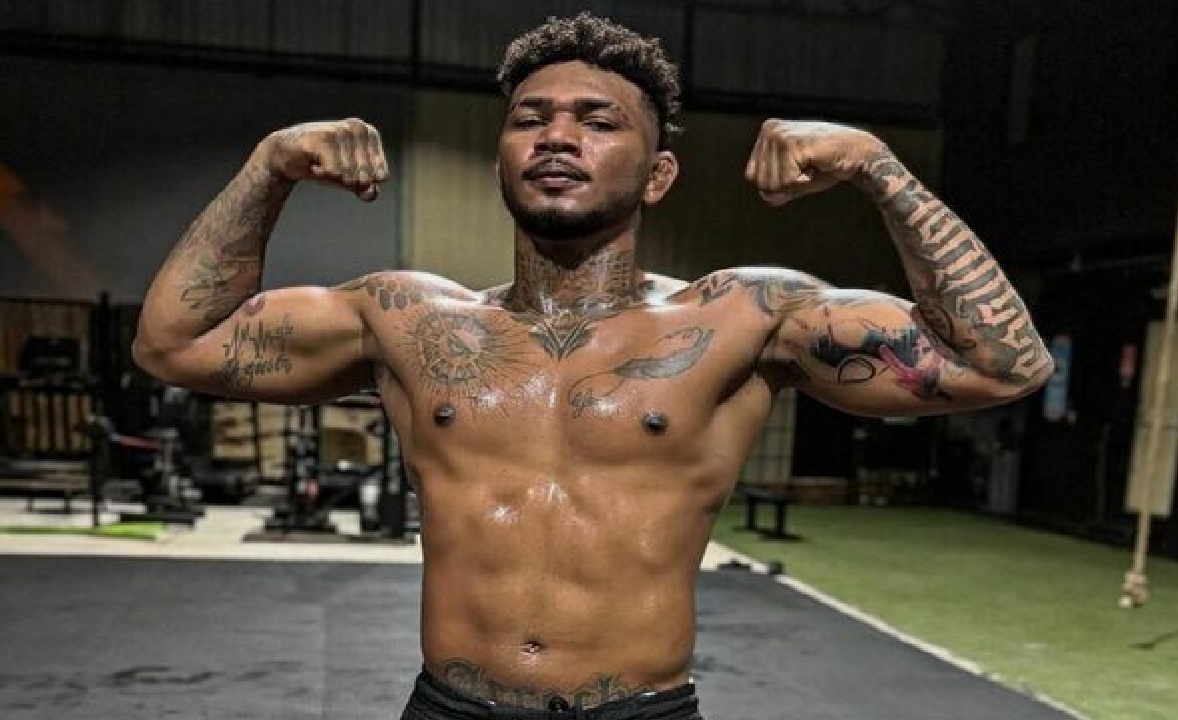
Yet a fascinating question has emerged around Morales as the welterweight division continues to revolve around elite wrestlers: What happens when he cannot finish an opponent early?
That question has become particularly relevant after Ian Machado Garry’s recent battles with Shavkat Rakhmonov and Islam Makhachev. Garry ultimately lost both fights, but his ability to repeatedly survive difficult grappling situations has given fans a useful measuring stick for evaluating Morales.
The comparison is not necessarily a verdict that Morales has poor takedown defense. In fact, the statistics suggest almost the opposite. UFCStats lists Morales with an impressive 89% takedown defense across his career.
The real question is more complicated: Can Morales maintain that defensive success against a wrestler who can chain takedowns together, force him against the cage and turn failed attempts into prolonged control?
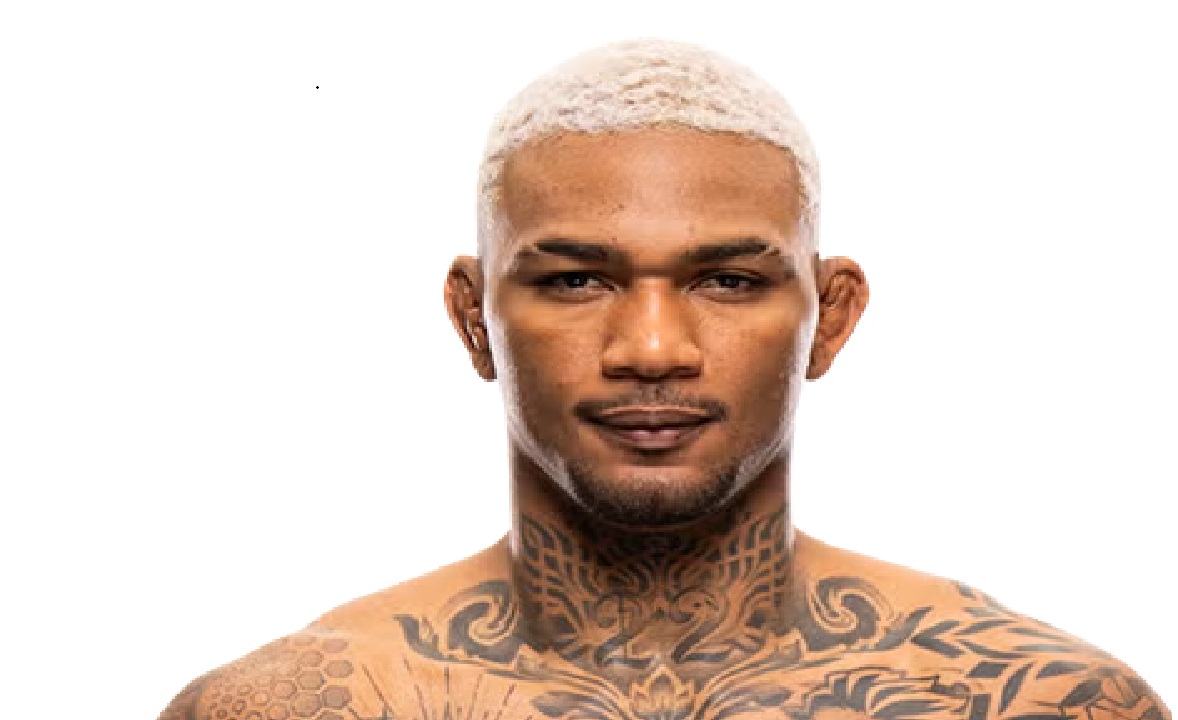
Morales’ Biggest Weapon May Also Create His Biggest Question
Morales is at his most frightening when he can dictate the range.
At six feet tall with a 79-inch reach, the Ecuadorian has the physical dimensions to operate effectively at welterweight. His striking is powerful, accurate enough to punish opponents who enter recklessly and dangerous enough to end fights suddenly.
His record tells the story. Morales has 14 knockout or TKO victories, and three of his most recent wins over Neil Magny, Gilbert Burns and Sean Brady have all ended inside the opening round.
That finishing ability makes it difficult for opponents to simply walk forward and wrestle him. But it also means that Morales has not been forced to spend a large amount of recent fight time defending against prolonged elite grappling.
And that is where the speculation begins.
A fighter can have outstanding takedown-defense statistics without necessarily having been subjected to the exact kind of wrestling pressure that someone such as Makhachev can produce.
The Ian Garry Comparison
Ian Machado Garry offers an interesting case study.
Garry’s wrestling defense was heavily tested against Shavkat Rakhmonov at UFC 310 in December 2024. Rakhmonov entered that contest undefeated and was widely regarded as one of the most dangerous all-around welterweights in the division. Garry did not win the fight. Rakhmonov took the unanimous decision by three scores of 48-47, handing Garry the first professional loss of his career.
But the fight demonstrated something important about Garry: he could be put in difficult grappling positions without mentally or physically collapsing.
Rakhmonov repeatedly used clinches and pressure to make Garry work. The Kazakh fighter recorded two takedowns and accumulated significant control time, yet Garry continued fighting and created opportunities of his own. That resilience became even more relevant when Garry eventually faced Makhachev.
Garry Just Went Five Rounds With Islam Makhachev
At UFC 330 on August 15, 2026, Garry stepped into one of the most difficult assignments imaginable: a five-round championship fight against Islam Makhachev. Makhachev successfully defended his welterweight championship by unanimous decision, winning 49-46, 49-46 and 48-47. The victory also gave him his record-setting 17th consecutive UFC win.
For Garry, however, the significance was not simply that he lost.
He survived.
Makhachev was able to impose his wrestling and grappling, including takedowns, clinch pressure and extended control. He also dropped Garry with a head kick in the second round. Yet Garry recovered and continued competing deep into the championship rounds.
That is precisely why some fans now use Garry as a reference point when discussing Morales. If Garry could withstand the sustained grappling pressure of Rakhmonov and then survive five rounds against Makhachev, the argument goes, Morales may need to demonstrate that same ability before being considered fully prepared for the division’s most dangerous wrestlers.
But Saying Morales’ Takedown Defense “Crumbles” Is Misleading
This is where the debate needs some balance.
The available statistics do not support the simple claim that Morales has terrible takedown defense.
UFCStats credits him with an 89% career takedown-defense rate. Other statistical databases list the figure around 90%.
Those are elite numbers. Morales also just defeated Sean Brady, a fighter with a strong wrestling and grappling reputation, by first-round TKO. That victory should not be ignored when evaluating Morales’ ability to deal with wrestlers.
The issue is therefore not necessarily whether Morales can stop takedowns.
It is whether he can continue stopping them when an opponent refuses to accept the first failure.
That distinction is crucial.
Makhachev Doesn’t Need One Perfect Takedown
This is what makes Islam Makhachev such a nightmare matchup.
A conventional wrestler may shoot once, fail and reset.
Makhachev frequently chains attacks together.
A failed single-leg can become a body lock. A defended body lock can become a trip. A stuffed takedown can lead to another attempt against the cage. Once the opponent is grounded, Makhachev can transition between positions instead of simply trying to hold them down.
UFC’s own pre-fight analysis of Makhachev-Garry emphasized the importance of chained wrestling exchanges.
That means raw takedown-defense percentages can sometimes hide the real battle.
Defending nine out of ten attempts sounds extraordinary.
But if the tenth takedown leads to several minutes of control, the defender may still lose the round.
Shavkat Provided Another Warning
Garry’s fight with Rakhmonov demonstrated this perfectly.
Rakhmonov officially landed only two of 10 takedown attempts at UFC 310, according to the fight statistics. That sounds like an excellent night for Garry’s takedown defense.
But those two successful takedowns helped Rakhmonov accumulate approximately 11 minutes and 41 seconds of control time.
That statistic illustrates the problem with judging grappling solely by takedown percentage.
You can defend most takedowns and still lose the wrestling battle.
For Morales, this could become the defining challenge of his next stage.
Morales Has One Major Advantage Garry Doesn’t: Devastating Power
There is also an important reason why comparing the two fighters too directly can be unfair.
Morales is a much more proven finisher. His 14 UFC/professional knockout or TKO victories demonstrate that opponents cannot afford to spend too much time aggressively pressuring him.
That changes the wrestling equation.
A fighter attempting repeated takedowns against Morales risks being hit during entries. Even if the first attempt fails, the striker may punish the next attempt with an uppercut, knee, hook or combination.
This is potentially the biggest obstacle for anyone trying to replicate the grappling strategy that has worked against other welterweights.
The First-Round Question
So, can Michael Morales survive past Round One?
The more interesting answer is: he may not need to survive Round One in the way fans are imagining.
Morales has already demonstrated that he can finish elite opposition quickly.
The concern is what happens if somebody refuses to give him the kind of striking exchanges he wants.
Imagine an opponent who spends the opening minutes refusing to trade, constantly changes levels, pressures Morales toward the fence and forces him to defend multiple wrestling sequences.
Suddenly, Morales’ conditioning, defensive wrestling, get-up ability and ability to fight from bad positions become just as important as his knockout power.
That is the test fans have not seen enough of yet.
Morales vs. Garry Is More Complicated Than It Looks
On the surface, the comparison favors Garry because of the adversity he has experienced.
Garry went five rounds with Rakhmonov.
He went five rounds with Makhachev.
He repeatedly survived difficult positions against elite grapplers.
But Morales has also faced high-level competition and owns a perfect record. His wins over Burns and Brady, particularly, show that he can neutralize dangerous opponents before they have an opportunity to establish their preferred game plans.
The difference is experience under sustained pressure.
Garry has been forced to answer questions that Morales has largely avoided because he has been finishing opponents.
That does not mean Garry is the better fighter.
It means Garry has accumulated a different kind of experience.
What Happens If Morales Reaches Round Three?
This may ultimately be the biggest question surrounding Morales.
If he gets dragged into a championship-level fight, can his performance remain dangerous after 15 or 20 minutes?
Can he get back to his feet repeatedly?
Can he defend submissions when exhausted?
Can he maintain enough power to discourage takedown attempts?
And perhaps most importantly, can he remain technically disciplined when an opponent is constantly forcing him to wrestle?
These are questions that cannot be answered simply by looking at an 89% takedown-defense statistic.
They have to be answered inside the cage.
The Verdict
The narrative that Michael Morales’ takedown defense simply “crumbles” is too extreme.
His statistical record suggests that takedown defense is actually one of his strengths.
However, the skepticism surrounding his ability to survive extended grappling exchanges is understandable.
Morales has built his rise largely through spectacular finishes, including consecutive first-round stoppages of Gilbert Burns and Sean Brady.
Garry, meanwhile, has already experienced the exhausting reality of fighting elite wrestlers for 25 minutes. He lost to Rakhmonov, and he lost to Makhachev, but both fights showed considerable resilience.
That makes the comparison fascinating rather than conclusive.
Morales’ takedown defense may be good enough to keep the fight standing.
His power may be good enough to punish anyone who shoots recklessly.
But against an opponent capable of chaining wrestling attacks together for five rounds, his ability to survive prolonged control remains one of the biggest unanswered questions of his career.
And that is why the next fight for Michael Morales could tell us far more about his championship potential than another spectacular first-round knockout.
The question is no longer simply whether Morales can knock elite fighters out.
It is whether he can remain dangerous when the knockout does not come.

Rams Rookie Quarterback Ty Simpson Captures Attention in Formal Interview Clip Shared as “Mr. Ty Simpson”

The True Causes of Dolly Parton’s Death Unveiled

Yayoi Kusama, the Artist Who Turned Hallucinations Into Infinity, Dies at 97

Shedeur Sanders’ Shocking Pro Bowl Selection and the End of an NFL Tradition

Mikey Moore Steals the Show as Tottenham Cruise Past Charlton

Jaguars Acquire Massive Offensive Lineman Daniel Faalele From Giants in Surprise 2027 Draft-Pick Trade

Newt Gingrich Demands Personal Apology From Jon Ossoff Over Natalie Harp Remarks, Accusing Democrat of Sexist Smear

Hayden Panettiere Remembered: ‘Heroes’ Star’s Disney Connection Takes on New Meaning After Her Sudden Death

Tommy John, the Enduring Left-Hander Who Changed Baseball Forever, Dies at 83

Can Michael Morales Survive Past Round One? UFC Fans Question His Takedown Defense Compared With Ian Garry’s Grit Against Islam Makhachev and Shavkat Rakhmonov

Giants Quarterback Jaxson Dart Forced Into Medical Tent After Brutal Hit, Sparking Fresh Concussion Fears
