
NEWS
Newt Gingrich Demands Personal Apology From Jon Ossoff Over Natalie Harp Remarks, Accusing Democrat of Sexist Smear

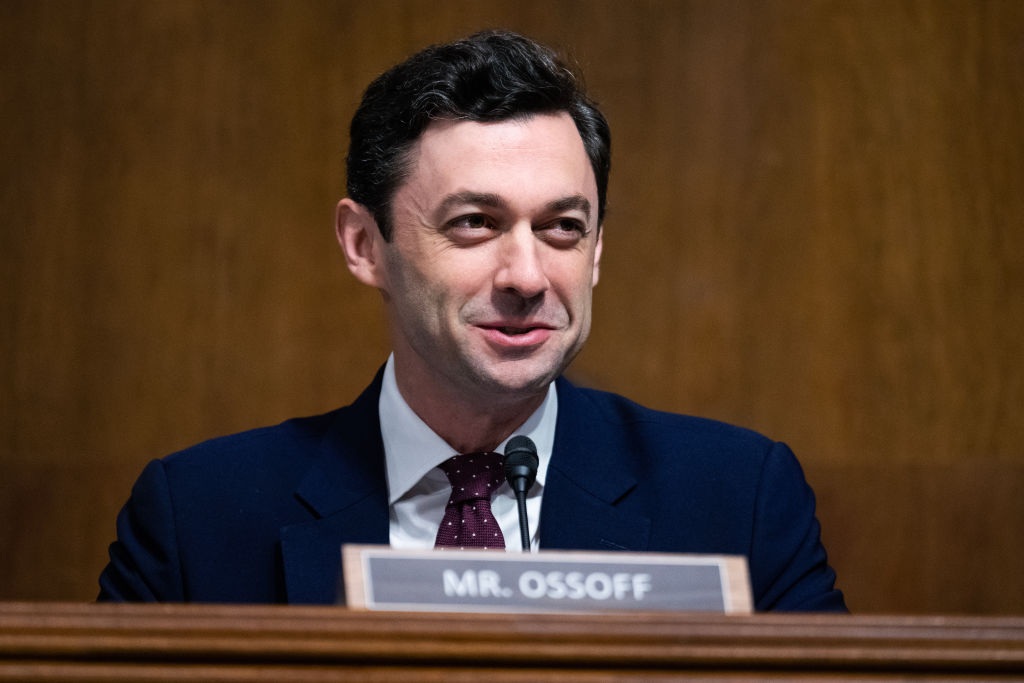
A new political controversy is unfolding around Georgia Sen. Jon Ossoff after former House Speaker Newt Gingrich demanded that the Democrat personally apologize to White House aide Natalie Harp over remarks made during a campaign rally in Atlanta.
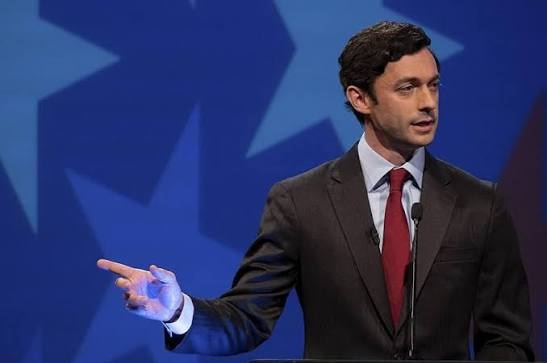
Gingrich publicly argued that Ossoff crossed a line by bringing Harp into his criticism of President Donald Trump, accusing the senator of smearing a working professional woman. In a post shared on social media, Gingrich said that Ossoff “owes Natalie Harp a personal apology for having smeared her.”
The dispute stems from comments Ossoff made Sunday during a reelection rally in Atlanta. While attacking Trump’s leadership and priorities, Ossoff specifically mentioned Harp, saying that the president wanted to build his ballroom and travel with Natalie aboard what he described as a “flying palace” provided by the emir of Qatar.
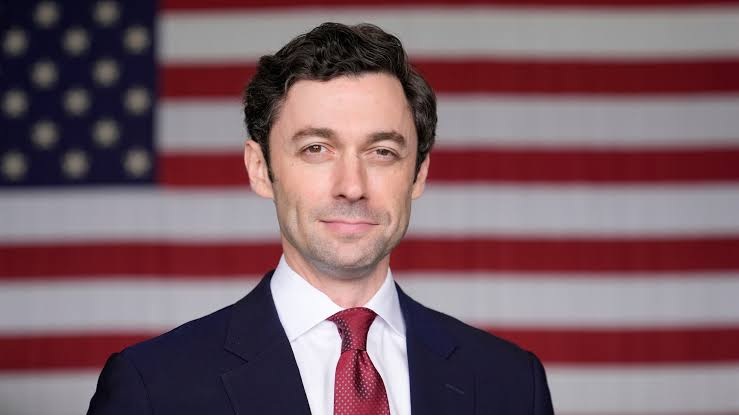
The remark immediately attracted attention because Harp, 35, has become one of the most visible members of Trump’s inner circle. She frequently accompanies the president and has been described in media reports as an especially loyal aide. Her proximity to Trump has previously generated public discussion, particularly after reports detailed her presence during sensitive presidential travel.
Gingrich Says Ossoff Went Too Far
For Gingrich and other conservative critics, the problem was not simply that Ossoff criticized Trump. They argue that the senator unnecessarily dragged a female staff member into a political attack and created an implication about her relationship with the president that went beyond legitimate criticism of government policy.
Gingrich’s demand for an apology places the controversy within a broader debate about political rhetoric and the treatment of women who work closely with powerful men.
Conservative critics have similarly accused Ossoff of sexism, arguing that Harp’s professional proximity to Trump should not automatically become a subject of personal insinuation. Critics contend that attacking a female aide because she is frequently around the president risks reducing her professional role to speculation about her private life.
That criticism has also been echoed by other conservative voices, who argue that Ossoff’s comments were particularly unfair because Harp is a staff member whose job requires close access to the president.
Ossoff’s Defense: A Criticism of Trump’s Inner Circle
Ossoff, however, has framed his remarks differently. In subsequent comments, he focused less on Harp personally and more on what he characterized as Trump’s dependence on a circle of loyal aides who reinforce his worldview.
During an MSNBC appearance, Ossoff described Trump’s close advisers as a kind of “security blanket,” arguing that the president surrounds himself with people who make him feel successful rather than challenging his decisions.
That explanation has not ended the controversy. Critics say Ossoff could have made his argument about Trump’s management style without naming Harp specifically.
Supporters of Ossoff, meanwhile, argue that Harp’s unusually close presence around the president is relevant to a broader political argument about who has access to Trump and how presidential decisions are made.
Why Natalie Harp Has Become a Political Flashpoint
Harp’s role has attracted increasing attention because of her unusual level of access to Trump. Reports have described her as a personal aide who helps the president with information, documents and social-media-related work.
Her loyalty to Trump is also well documented. Earlier reports described highly personal and admiring letters she wrote to the president, while other accounts have highlighted her frequent presence during Trump’s travel and at his private properties.
Those details have fueled competing interpretations.
Supporters of Trump see Harp as a devoted staff member who has earned the president’s trust through hard work and loyalty. Her critics see her proximity as evidence of an unusually insular White House environment.
But the distinction between criticizing a president’s staffing choices and making personal insinuations about an aide is at the heart of the current dispute.
White House Fires Back
The White House has also responded aggressively to Ossoff’s comments. Communications Director Steven Cheung attacked the senator personally rather than accepting the premise of his criticism, while Trump himself mocked Ossoff after the remarks became a national story.
The increasingly personal nature of the exchange demonstrates how quickly campaign rhetoric can move beyond policy disagreements.
Ossoff is seeking reelection in Georgia at a moment when the state’s political landscape is receiving enormous national attention. His attacks on Trump are therefore not simply congressional criticism; they are also part of a broader campaign effort to define the stakes of the 2026 election.
A Larger Debate About Political Standards
The Gingrich-Ossoff-Harp dispute ultimately raises a question that extends beyond either political party: How far should politicians go when criticizing the people surrounding a powerful public official?
Political leaders routinely scrutinize presidents’ advisers, families, donors and allies. Access to the president can legitimately be a matter of public interest when it affects policy or government decision-making.
But critics of Ossoff argue that political scrutiny should remain focused on conduct, policy and influence—not speculation about a woman’s personal relationship with her employer.
Ossoff’s supporters counter that his comments were aimed at Trump’s priorities and his reliance on a small group of trusted aides, not at Harp’s character.
For now, Gingrich is demanding something more personal: an apology directly to Harp.
Whether Ossoff offers one remains uncertain. What is clear is that a single reference at an Atlanta campaign rally has evolved into another front in the increasingly bitter political battle surrounding Trump, Georgia and the 2026 midterm elections.
The controversy also illustrates the dangers of personalizing political attacks. Once an aide’s name becomes part of a campaign battle, the discussion can quickly shift away from presidential performance and toward questions about motives, relationships and character—the very issues that can dominate political coverage long after the original policy argument has disappeared.

Rams Rookie Quarterback Ty Simpson Captures Attention in Formal Interview Clip Shared as “Mr. Ty Simpson”

The True Causes of Dolly Parton’s Death Unveiled

Yayoi Kusama, the Artist Who Turned Hallucinations Into Infinity, Dies at 97

Shedeur Sanders’ Shocking Pro Bowl Selection and the End of an NFL Tradition

Mikey Moore Steals the Show as Tottenham Cruise Past Charlton

Jaguars Acquire Massive Offensive Lineman Daniel Faalele From Giants in Surprise 2027 Draft-Pick Trade

Newt Gingrich Demands Personal Apology From Jon Ossoff Over Natalie Harp Remarks, Accusing Democrat of Sexist Smear

Hayden Panettiere Remembered: ‘Heroes’ Star’s Disney Connection Takes on New Meaning After Her Sudden Death

Tommy John, the Enduring Left-Hander Who Changed Baseball Forever, Dies at 83

Can Michael Morales Survive Past Round One? UFC Fans Question His Takedown Defense Compared With Ian Garry’s Grit Against Islam Makhachev and Shavkat Rakhmonov

Giants Quarterback Jaxson Dart Forced Into Medical Tent After Brutal Hit, Sparking Fresh Concussion Fears
